
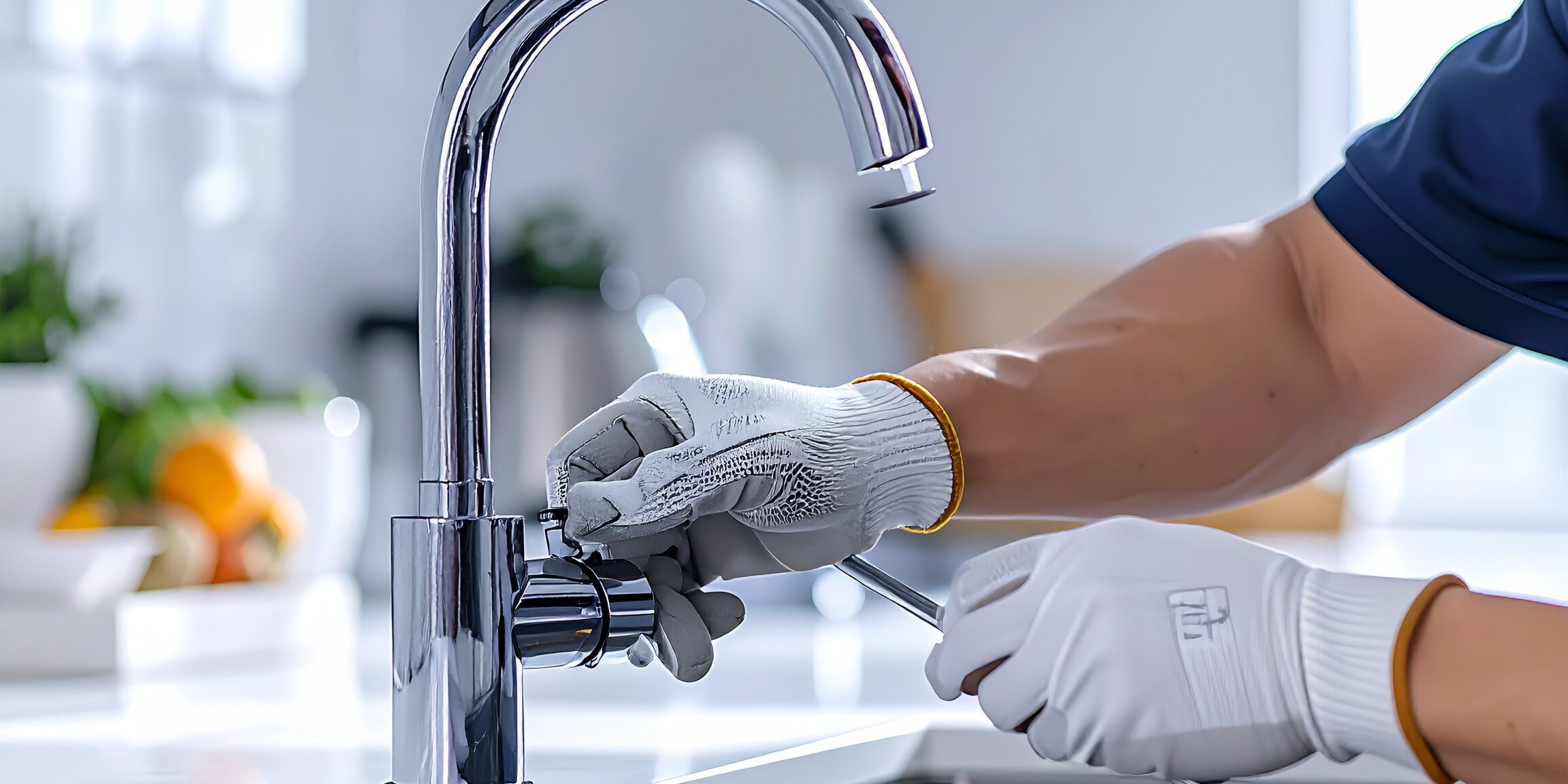
Water damage is one of the most expensive problems a homeowner can face, and it almost never starts with something dramatic. It starts with something small: a slow drip, a connection beginning to corrode, a water heater seeping moisture no one has checked. These are the kinds of issues that stay quiet long enough to cause real harm before anyone realizes they are there.
The frustrating part is that nearly all residential water damage is preventable. The leaks and failures that cause it leave warning signs well before they cause visible harm, and a plumber who inspects the system regularly can catch those signs at the stage where a small fix is all that is needed.
This blog covers the most common sources of water damage in homes, what a plumber looks for during a preventive visit, and why a relationship with a local plumber is one of the most effective investments a homeowner can make in protecting their property.
Where Water Damage Most Commonly Starts
Most of the failures that lead to water damage share one thing in common: they happen in places homeowners do not check regularly, and the visible symptoms are easy to miss until the damage is already underway.
- Under sinks: Supply line connections and drain fittings under kitchen and bathroom sinks develop slow leaks over time from corrosion, loose connections, or degraded seals. Because the cabinet conceals the leak, water can sit against the cabinet floor and the subfloor underneath for weeks before anyone notices a smell or sees staining.
- At the water heater: Tank water heaters corrode from the inside as the anode rod depletes. When the corrosion reaches the tank wall, water seeps from the base. The leak often starts as a small amount of moisture that is easy to dismiss, but once the tank wall has been compromised, the leak will only get worse. An overnight water heater failure can release the full contents of a 40- to 50-gallon tank onto the surrounding floor.
- Behind walls: Supply lines running through walls and under floors are invisible during daily life. A pinhole leak in a copper supply line or a failed fitting behind drywall can drip for months, softening framing, growing mold, and weakening the wall structure without producing a single visible sign on the surface until the damage is advanced.
- At the washing machine: Supply hoses are under constant pressure and are among the most common sources of sudden, catastrophic water damage in homes. Rubber hoses in particular degrade over time and can burst without warning, releasing a high-volume flow that can flood a room in minutes.
- From the toilet: A wax ring that has lost its seal allows water to seep beneath the toilet base and into the subfloor with every flush. Because most of the water travels downward rather than pooling visibly, the damage to the subfloor can be extensive before the homeowner notices anything wrong.
What a Plumber Checks During a Preventive Visit
A preventive plumbing inspection is designed to identify conditions that can lead to water damage before they cause it. An expert plumber covers the areas where failures are most common and most costly.
- Supply line condition under every sink, behind toilets, and at the washing machine. Rubber hoses showing signs of age are flagged for replacement with braided stainless steel lines. Corroded fittings are identified before they fail.
- Water heater health. The tank is inspected for signs of corrosion, the anode rod is checked, the T&P valve is tested, and the base is examined for moisture. A plumber who detects early corrosion can recommend a plan to address it before the tank fails.
- Visible and accessible pipe condition. Exposed pipes in basements, crawl spaces, and utility rooms are inspected for corrosion, mineral buildup, and signs of stress. Connections are checked for tightness and integrity.
- Toilet stability and seal condition. A toilet that rocks on its base is compressing the wax seal with every use and will eventually leak. Catching this during an inspection means replacing a $10 wax ring instead of repairing a damaged subfloor.
- Water pressure testing. Excessively high water pressure, anything above 80 PSI, puts constant stress on every connection, valve, and supply line in the home. A pressure-reducing valve can bring it into a safe range and significantly extend the life of the entire plumbing system.
- Drain performance. Slow drains can indicate buildup that, left unaddressed, leads to backups. A backup that overflows a fixture provides a direct path to water damage on the floor and, potentially, the ceiling below.
Why a Local Plumber Makes This More Effective
Any licensed plumber can perform a preventive inspection. But a local plumber who has worked in your area and seen the common issues that affect homes in your community brings an additional layer of value.
A plumber who works in your area regularly understands whether the local water supply tends toward hard or soft, which affects how quickly mineral buildup and corrosion develop. That familiarity extends to knowing which pipe materials are common in homes of your area’s vintage and which ones are most prone to failure at this stage of their lifespan. These are patterns that a plumber unfamiliar with the area might not catch on a single visit.
A local plumber also becomes familiar with your specific home over time. When they have inspected your system before, they can track changes from visit to visit, noticing whether a connection that was stable last year has begun showing early signs of wear, or whether the anode rod that had some life left during the last inspection is now ready to be replaced. That continuity turns each visit into a more informed evaluation than a one-time inspection by someone seeing the system for the first time.
What Prevention Costs vs. What Water Damage Costs
The financial case for preventive plumbing is straightforward when you compare the numbers.
An annual plumbing inspection typically costs between $150 and $300. Replacing a supply line before it fails costs $100 to $250. Flushing a water heater costs $100 to $200. Replacing an anode rod costs $150 to $300, including labor.
Water damage restoration, by comparison, averages $3,000 to $8,000 for a moderate incident and can reach $15,000 to $30,000 or more for extensive damage involving mold remediation, subfloor replacement, and structural repair. Insurance may cover some of that cost, but deductibles apply, premiums often increase after a claim, and damage resulting from neglected maintenance may not be covered at all.
When you compare the cost of a few hundred dollars in annual maintenance against the potential for a five-figure restoration bill, the case for prevention is hard to argue with.
The Plumber You Call Before Something Goes Wrong
Most people call a plumber when something breaks. The homeowners who avoid the most expensive plumbing-related costs are the ones who call before that happens, when the system is still working, but the conditions for failure are quietly developing behind the walls and under the fixtures.
If your home has not had a plumbing inspection recently, or if you have fixtures, supply lines, or a water heater that have not been evaluated in over a year, CJM Plumbing, Heating & AC can assess the full system and let you know where things stand.
We have been serving homeowners across the Hudson Valley for three generations, and we believe the best plumbing repair is the one that prevents the emergency from happening in the first place.
Give us a call and let us help you protect your home before water finds its way where it shouldn’t be.

Emergency Services
Contact CJM Plumbing, Heating & AC to schedule a service call. Be prepared to provide help about the problem.






Feel Free to Contact Us
Fill Out the Form or Call Us Now
"*" indicates required fields
